Police Week 2026: Why Real Support Means Funding Resilience, Not Just Ceremonies
Police Week 2026: Why Real Support Means Funding Resilience, Not Just Ceremonies
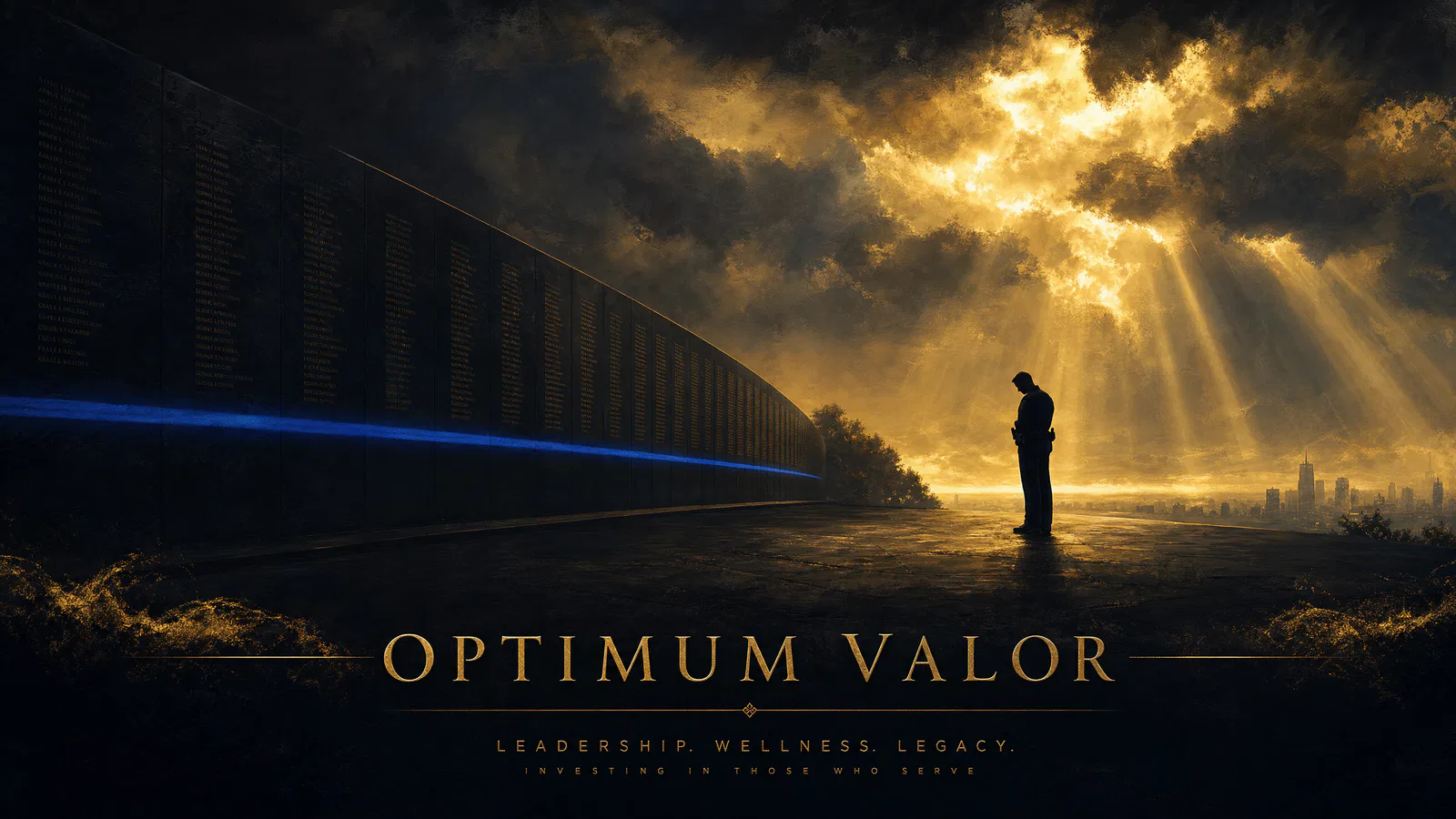
National Police Week is a necessary time of reflection. We gather, we remember the names of those who made the ultimate sacrifice, and we promise never to forget.
But when the ceremonies end and the flags return to full staff, the officers still on the street are left facing the exact same operational pressures that are quietly destroying their health, their families, and their careers.
Honoring the fallen is our duty. Protecting the living requires more than a ceremony. It requires a system. The same point applies year-round: awareness without systems is just a slogan.
The Wellness Funding Shift
This week, we are seeing a shift. New federal legislation has been signed into law, releasing significant funding for law enforcement mental health services. States like New Jersey are already awarding half a million dollars in Law Enforcement Wellness & Resiliency Grants.
The money is finally arriving. But how it is spent will determine whether it actually saves careers or just checks a box.
If agencies use this funding to hire another consultant who tells cops to "breathe and do yoga," the money is wasted. First responders do not need generic wellness advice. They need operational resilience protocols built for the reality of shift work, hypervigilance, and trauma.
What True Resilience Looks Like
When we talk about wellness at Optimum Valor, we are not talking about spa days. We are talking about keeping you in the fight.
True resilience requires a structured approach across five pillars:
- Tactical Fitness: Training for the demands of the job, not the beach.
- Sleep & Stress Optimization: Rebuilding the sleep architecture that shift work destroys.
- Leadership Development: Creating supervisors who recognize burnout before it becomes a crisis.
- Promotion Preparation: Ensuring the right people are leading the agency forward.
- Wellness Analytics: Using wearable data (HRV, sleep scores) to track physiological readiness.
The Leadership Mandate
If you are a supervisor, lieutenant, or chief, this is your mandate. You cannot simply point your officers toward an Employee Assistance Program (EAP) and consider your job done. You must build a culture where sleep deprivation is not worn as a badge of honor, and where seeking help is viewed as a tactical necessity, not a weakness. Much of that damage is organizational stress inside the building.
As we honor those we have lost this Police Week, let's also commit to building better systems for those still wearing the badge.
If your agency is ready to move beyond generic wellness programs and implement a data-driven performance system, Optimum Valor provides Leadership & Performance Consulting tailored to public safety organizations.
Book a Leadership Consultation Here
Antonio M. Scott is a Lieutenant, Crisis Negotiation Team member, and the founder of Optimum Valor. He holds a Master's in Urban Leadership and specializes in building resilient longevity for first responders.
(If this content resonates with you, consider supporting the mission so we can keep providing free resources to the first responder community: Support Optimum Valor on Ko-fi)
STAY ON MISSION
Get the free End-of-Shift Recovery Checklist
Join the list and I'll send you a 2-page checklist to come down from the shift and walk in the door present.