The 5 Recovery Protocols Every Tactical Athlete Should Be Using
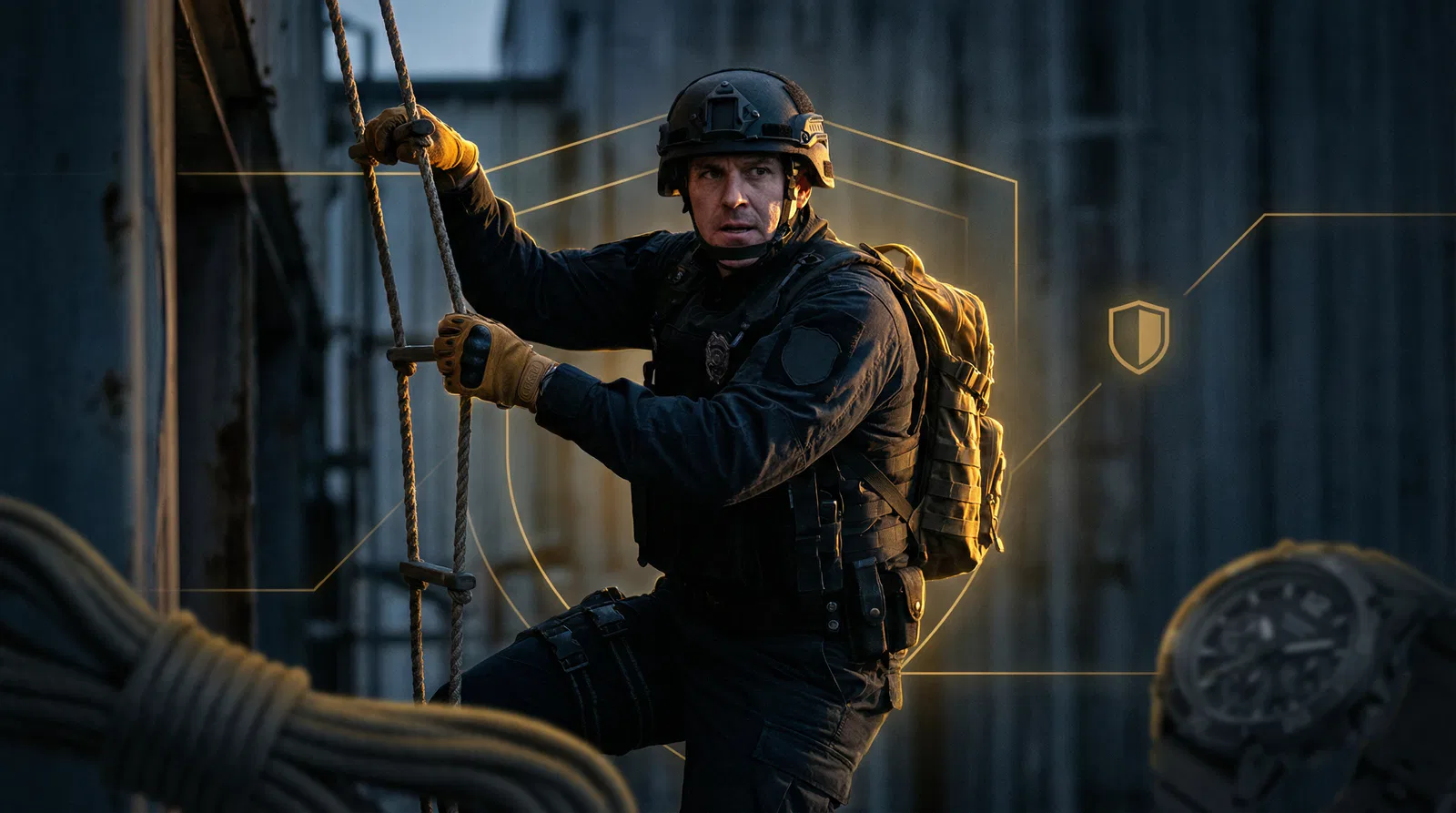
Recovery Is a Tactical Necessity
You can have the best training plan, a perfect diet, and all the grit in the world. But if your recovery is garbage, you're leaving your most critical performance variable to chance. In our line of work, we don't do chance. We do preparation. Recovery isn't a luxury; it's a tactical necessity — the foundation of a long and effective career.
The cumulative stress of this job — 12-hour shifts, critical incidents, sleep disruption — degrades your ability to perform. The NSCA's TSAC Report is clear: recovery is a pillar of performance, alongside nutrition and training (Allen, 2019). Without it, you get slower, weaker, and more prone to injury. For the cost of skipping this, read Sleep Deprivation in Policing.
So, let's treat it like the mission-critical task it is. Here are five recovery protocols you can start implementing tonight.
1. Optimize Your Sleep Architecture
Sleep isn't downtime; it's a biological repair process. Yet, over 40% of police officers screen positive for sleep disorders, and 51% report poor sleep quality (Brigham and Women's Hospital/Harvard Medical School Study; Garbarino et al., 2019). The National Institute of Justice equates 17 hours without sleep to a 0.05% blood alcohol content — a serious impairment for decision-making.
Your bedroom is your docking station. Treat it like one.
- The Cave: Make your room as dark, quiet, and cool as possible. Blackout curtains, a good mattress, and a fan can make a world of difference.
- No Screens: The blue light from your phone, tablet, or TV messes with your melatonin production. Shut it all down at least an hour before you plan to sleep.
- Consistency: As much as the job allows, try to go to bed and wake up around the same time. This helps regulate your circadian rhythm, even with rotating shifts.
2. Cold Water and Contrast Therapy
A cold plunge may not sound appealing, but the science is solid. Cold water immersion reduces inflammation, boosts mood via endorphins, and activates the vagus nerve, shifting your body into a "rest and digest" state. It's a hard reset for your nervous system.
You don't need a fancy setup to get started.
- Cold Showers: End your next shower with 1-3 minutes of the coldest water you can stand. Focus on your breathing — long, slow exhales.
- Contrast Therapy: Alternate between hot and cold water in the shower (e.g., 3 minutes hot, 1 minute cold, repeat 3-4 times). This creates a pumping action in your circulatory system, helping to flush out metabolic waste.
- The Plunge: If you have access to an ice bath or a cold body of water, a 3-5 minute immersion can have profound effects on your recovery and resilience.
3. HRV-Guided Training Adjustments
Heart Rate Variability (HRV) is a powerful metric. It measures the time variation between heartbeats, offering a real-time look at your autonomic nervous system. High HRV means you're recovered and ready for intense training. Low HRV is a red flag for stress, signaling a need for more recovery (Tomes et al., 2020). New to HRV? Start with HRV and Stress: The Hidden Metric.
- Track It: Use a wearable like a WHOOP strap, Oura Ring, or Garmin watch to get a baseline HRV reading every morning.
- Listen to the Data: If your HRV is high, it's a green light to push hard in your workout. If it's low, consider an active recovery day — mobility work, a light jog, or a yoga session. This isn't about being soft; it's about being smart and avoiding overtraining.
- Identify Trends: Notice how a rough shift, a poor night's sleep, or a few beers affects your HRV. This data gives you the power to make better lifestyle choices that directly impact your performance.
4. Nutritional Recovery Strategies
Your body is a high-performance engine; don't use low-grade fuel. Post-shift or post-workout nutrition is critical for repair and rebuilding. The O2X organization highlights hydration and refueling as core recovery principles for tactical populations. For meal timing on rotating shifts, see Shift Work Nutrition.
- Hydrate: The simple rule is to drink half your body weight in ounces of water per day. If you weigh 200 pounds, that's 100 ounces of water. Add electrolytes if you've been sweating heavily.
- Protein and Carbs: Within an hour or two after your workout or a physically demanding shift, consume a meal with a good source of protein (to repair muscle) and carbohydrates (to replenish energy stores).
- Keep it Simple: A quality protein shake and a piece of fruit, or a meal of grilled chicken and sweet potatoes, will do the trick. Avoid processed junk that will only increase inflammation.
5. Breathwork and Parasympathetic Activation
Your breath is a remote control for your nervous system. Conscious breathing shifts you from a sympathetic "fight or flight" state to a parasympathetic "rest and digest" state. This is crucial for decompressing after a high-stress call or a long day.
- Box Breathing: Inhale for 4 seconds, hold for 4 seconds, exhale for 4 seconds, hold for 4 seconds. Repeat for 5-10 minutes. This is a simple and effective technique used by elite operators.
- The Physiological Sigh: Inhale fully through your nose, then take another short, sharp inhale at the top. Then, exhale slowly and completely through your mouth. Two or three of these can have an immediate calming effect.
- Schedule It: Don't wait until you're maxed out. Take 5 minutes after your shift, before you walk in the door at home, to sit in your car and just breathe. It's a buffer between your work life and your home life.
Recovery is an active, deliberate process requiring the same discipline as your training and duties. Start with one or two protocols, master them, and you'll become more resilient, effective, and harder to break.
References
- Allen, A. (2019). NSCA TSAC Report.
- Brigham and Women's Hospital/Harvard Medical School Study on Police Sleep Disorders.
- Garbarino, S., et al. (2019). "Pooled prevalence of bad sleep quality in police."
- National Institute of Justice. "Sleep Deprivation and Law Enforcement."
- Tomes, C., et al. (2020). "HRV effective indicator of key fitness and performance elements in tactical work settings."
- O2X Human Performance. "Recovery Principles."
Go Deeper: Recharge and Recover
The job will take everything you give it. If you work nights, rotating shifts or mandatory overtime, recovery is not optional. It is part of your readiness. Recharge and Recover is my short, practical guide to taking your recovery back on your terms.
Get Recharge and Recover on Kindle
Antonio M. Scott is the founder of Optimum Valor, a performance optimization system built for law enforcement officers, firefighters, EMS professionals, and public safety leaders.
Support the Mission
Optimum Valor provides these performance protocols, leadership frameworks, and training systems for free because the professionals who protect and serve deserve access to elite resources.
If this content has helped you improve your recovery, your leadership, or your performance on the street, consider supporting the platform. Your contribution directly funds the creation of more tools and resources for first responders.
STAY ON MISSION
Get the free End-of-Shift Recovery Checklist
Join the list and I'll send you a 2-page checklist to come down from the shift and walk in the door present.